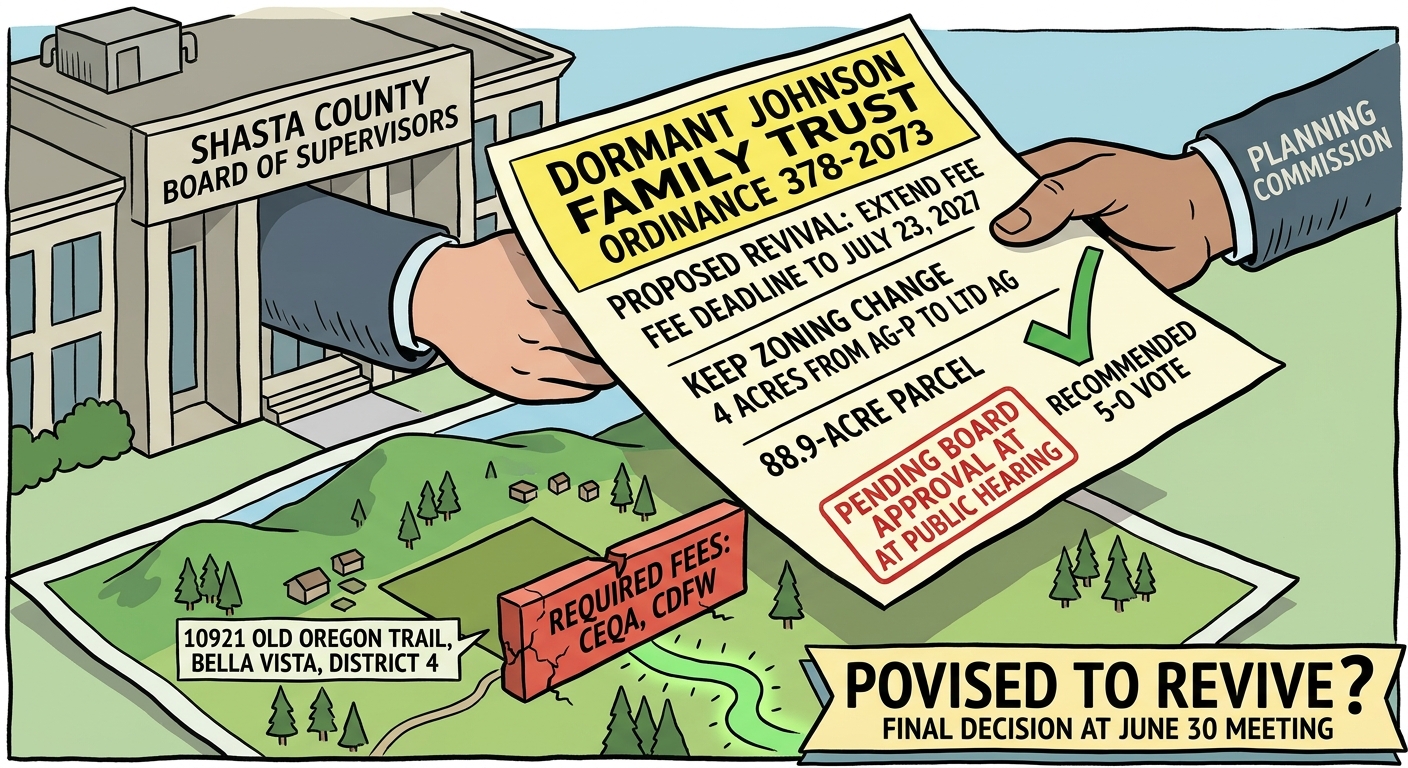
Shasta supervisors poised to revive dormant Johnson Family Trust zoning ordinance
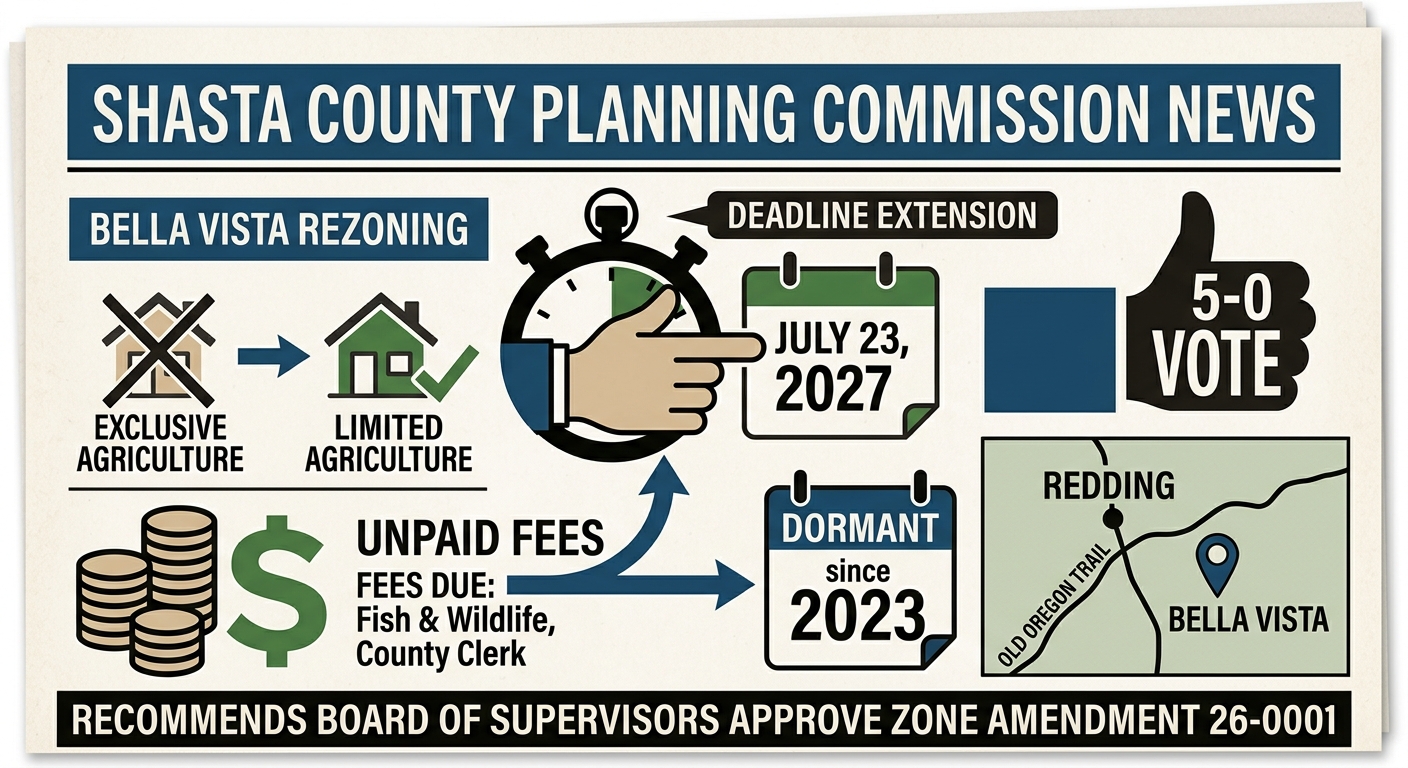
The board is weighing a narrow cleanup amendment that would extend a missed fee deadline and make a 2023 zoning approval operative.
Shasta County
What your local boards and councils decided, from their own agendas and minutes.

The board is weighing a narrow cleanup amendment that would extend a missed fee deadline and make a 2023 zoning approval operative.

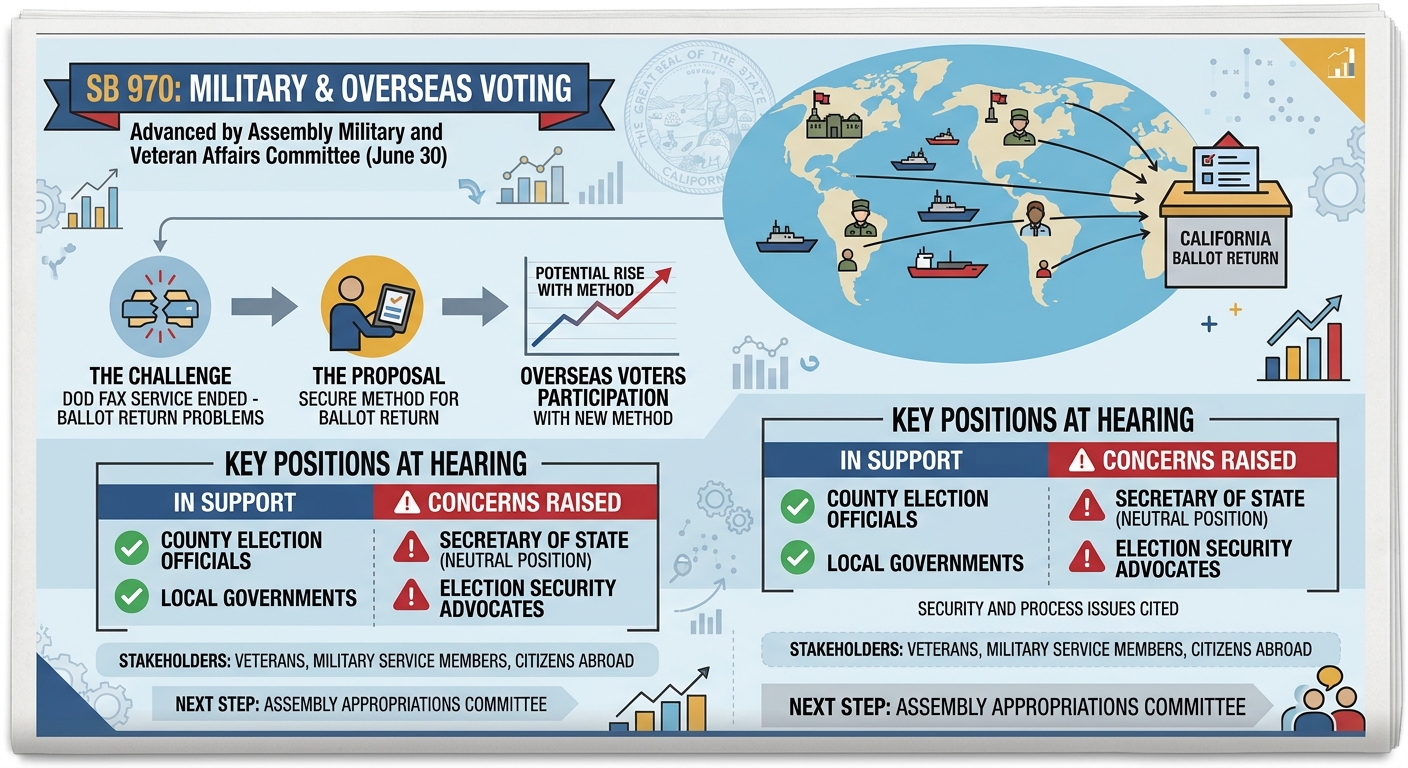
The measure would direct the secretary of state to develop a secure ballot-return method for military and overseas voters after the Defense Department fax service ended.

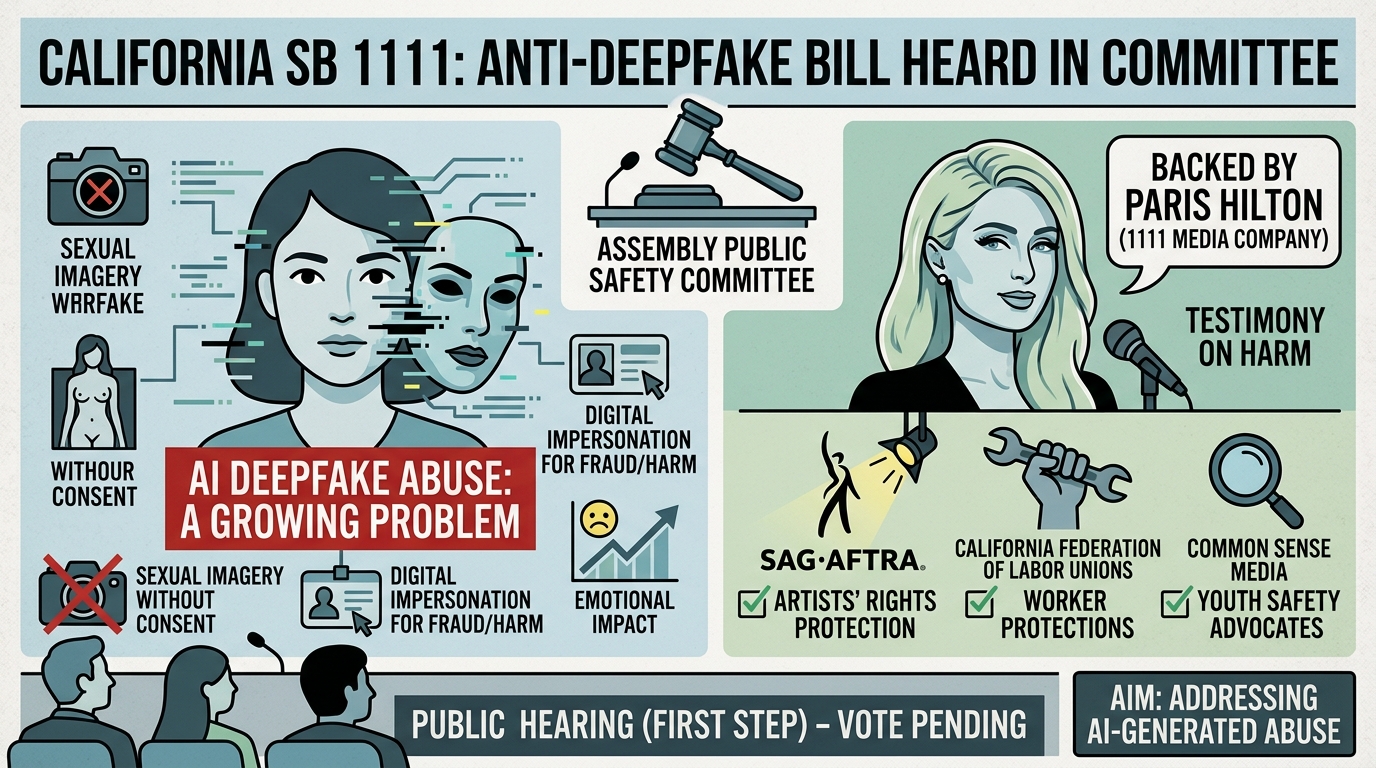
SB 1111 was presented at a June 30 Assembly Public Safety Committee hearing as a measure targeting deepfake sexual imagery and digital impersonation, with support from Paris Hilton's 1111 Media Company and several advocacy groups.

SB 1418 would extend existing custody protections for voted ballots to other election records, equipment and digital data, according to a committee hearing summary.

Supporters told lawmakers the bill would give adoptees access to original birth certificates while preserving a birth-parent contact-preference form.

The bill would have added annual licensing review for certain short-term residential therapeutic programs with repeated serious violations.

SB 970 moved out of the Assembly Military and Veteran Affairs Committee on June 30 after testimony split between access advocates and Secretary of State security concerns.

A planning commission resolution recommends giving the Johnson Family Trust more time to pay filing fees tied to a 2023 zoning change that never took effect.

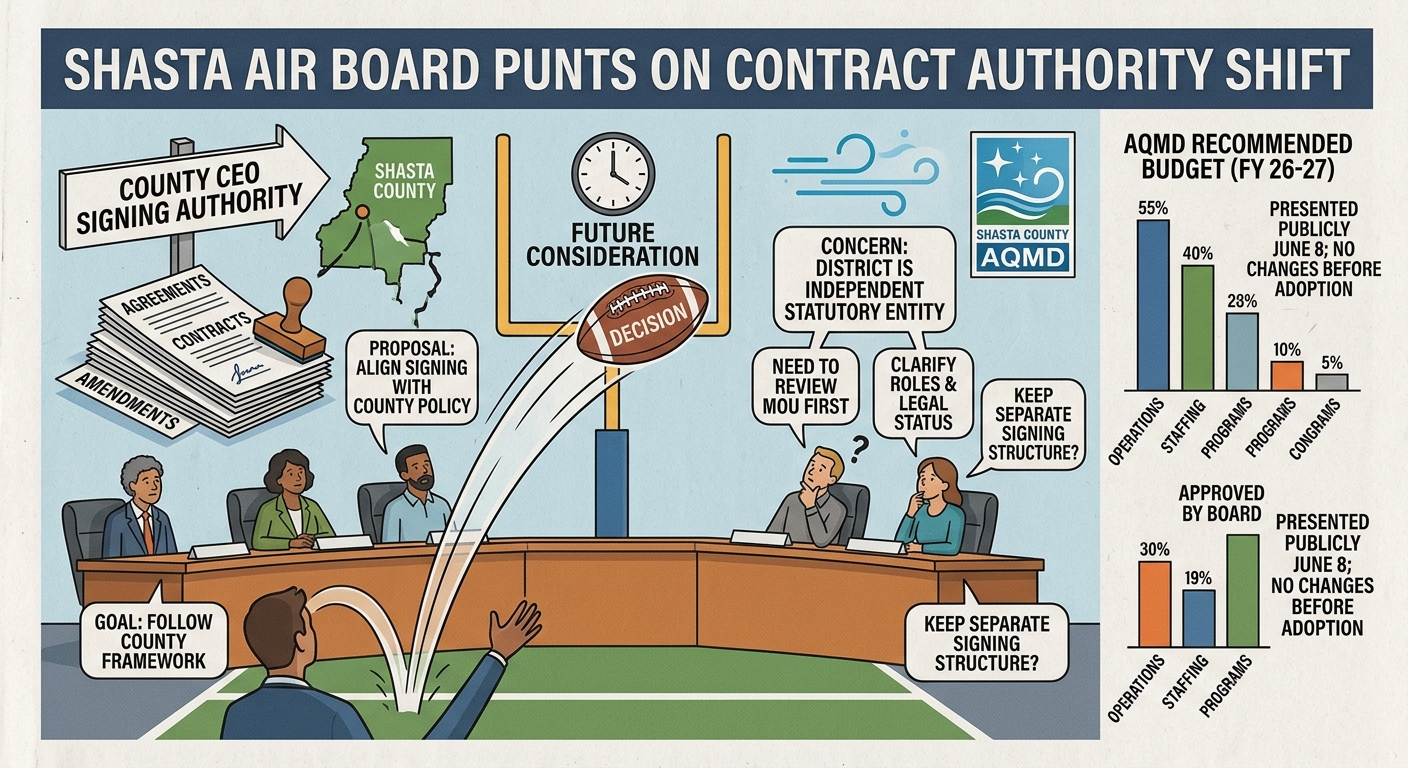
The board split a consent item June 30 and deferred a proposal to let the county CEO sign air-district contracts while members called for more review of the county MOU.

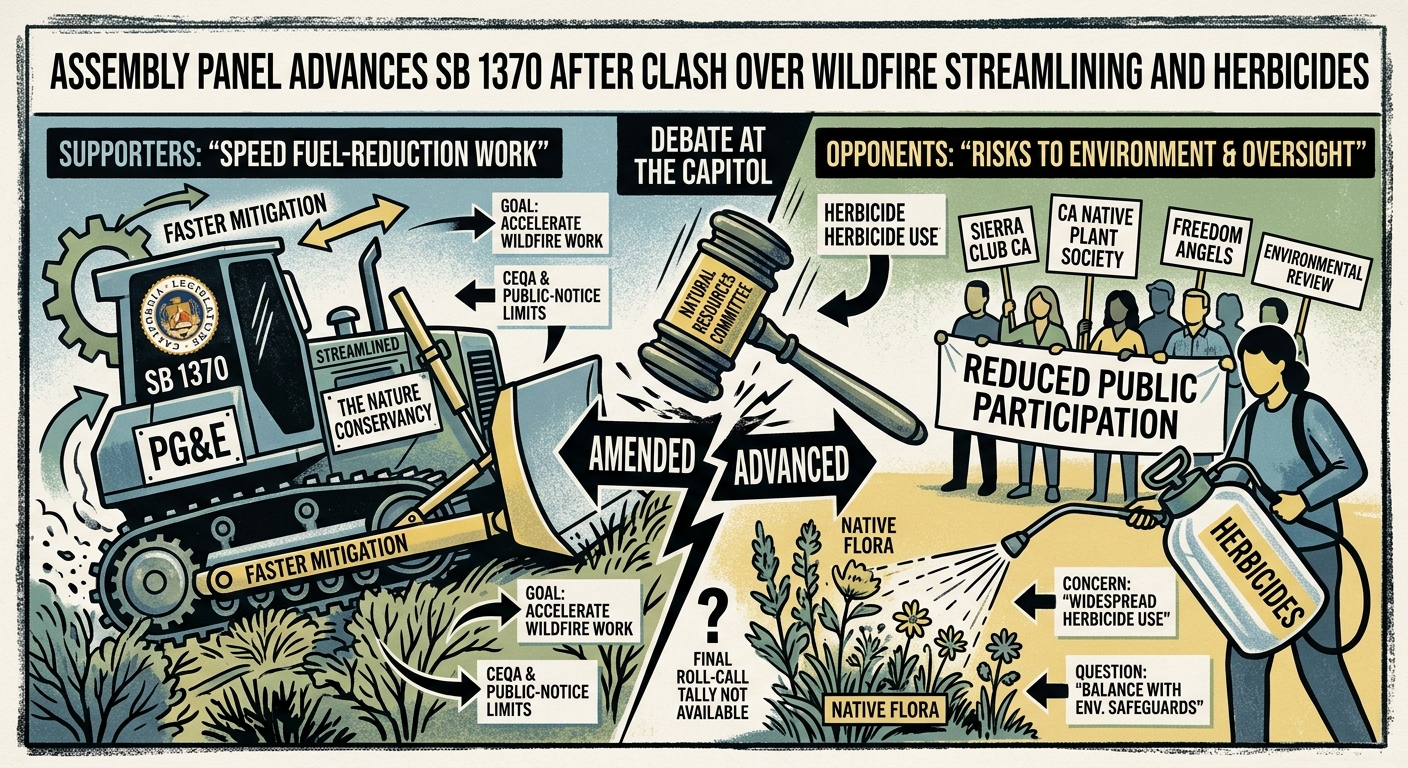
The June 29 hearing on SB 1370 centered on how far California should go to speed wildfire fuel-reduction work while preserving environmental review, public notice and pesticide limits.

SB 1329 moved out of suspense on a 5-2 vote after amendments, keeping alive a fight over how California values solar projects for property-tax purposes.

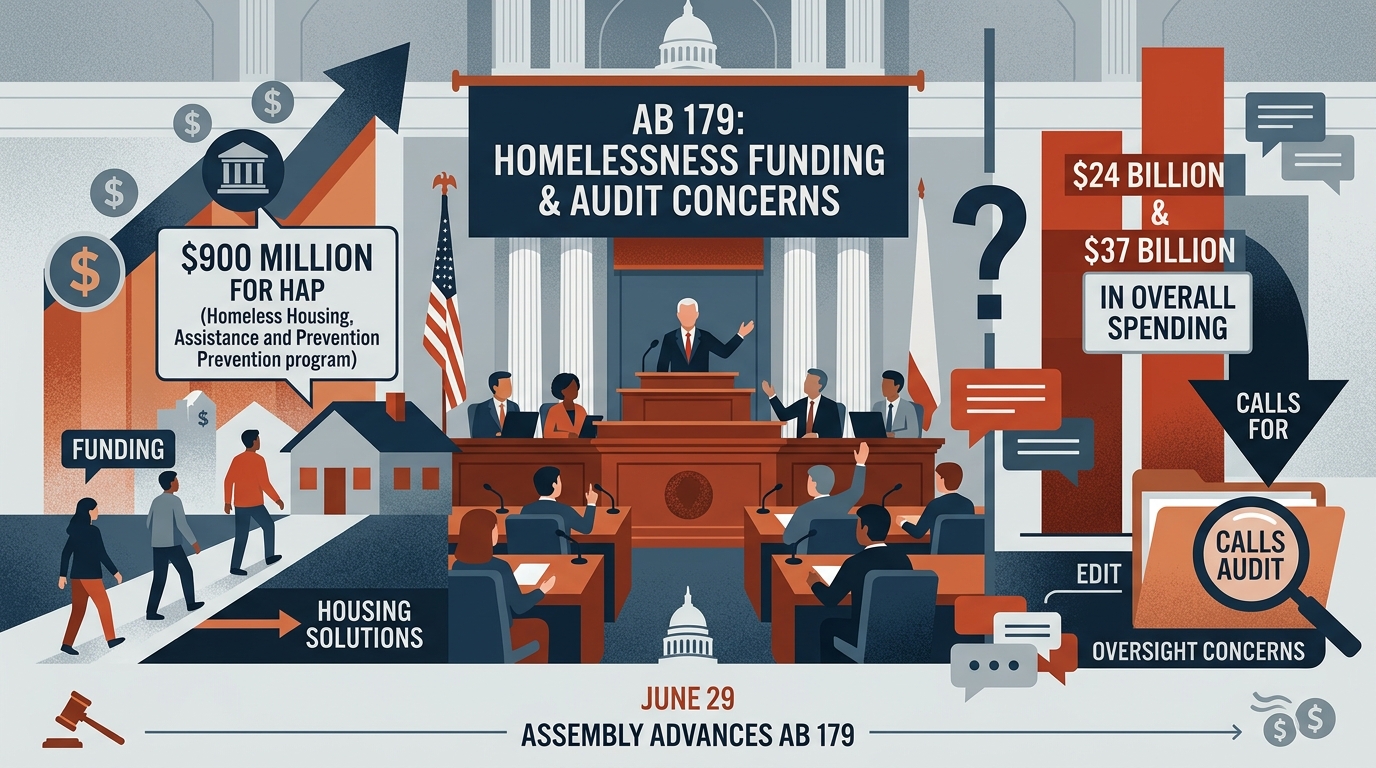
Floor remarks described AB 179 as structuring a $900 million homelessness investment while members again debated oversight and the scale of homelessness spending.

The bill would launch a light-duty zero-emission vehicle incentive program and move unused funds to the Demand Side Grid Support Program.

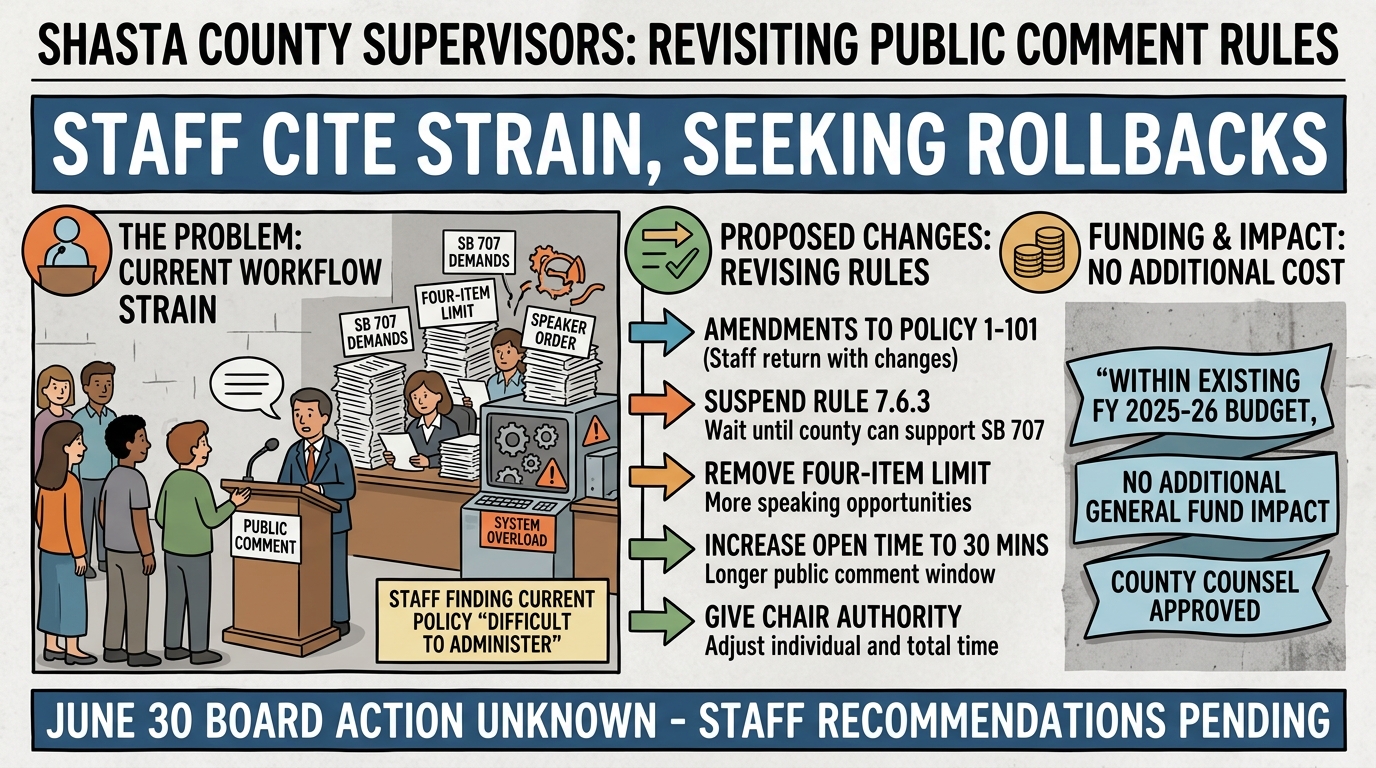
A June 23 staff report says Shasta County cannot fully support part of its new SB 707 comment workflow and asks supervisors to suspend a rule and rewrite the policy before June 30.

The labor trailer bill would let the Department of Industrial Relations accept electronic funds transfer payments and update disability-benefit and grant-reporting rules tied to the 2026 Budget Act.

The Assembly unanimously concurred in Senate amendments to AB 182, an elections-related bill now headed to the governor.

The Assembly unanimously concurred in Senate amendments to AB 182, an elections-related bill, and sent it to Gov. Gavin Newsom.

The bill moved on a do-pass motion in the Assembly Transportation Committee, where supporters framed it as a way to give regulators more flexibility under the Clean Miles Standard.

The industry group said it had opposed the Clean Truck Transparency Act but moved to neutral after changes in the Assembly Natural Resources Committee.

The bill cleared the Assembly 62-1 and adds data-collection requirements for some developmental-services settings.

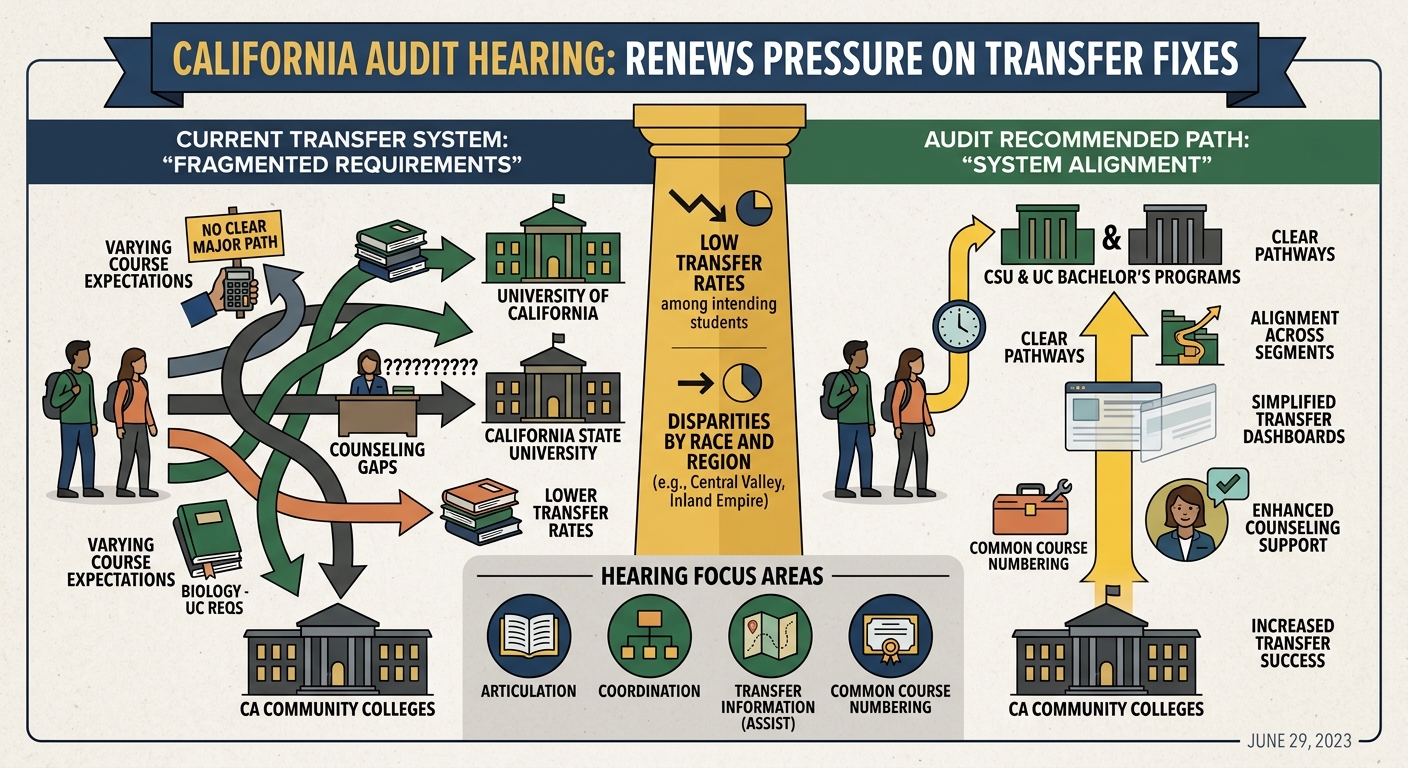
Lawmakers, auditors and higher-education leaders revisited a 2023 transfer audit at a Joint Legislative Audit Committee hearing, underscoring persistent bottlenecks for community college students trying to reach UC and CSU degrees.

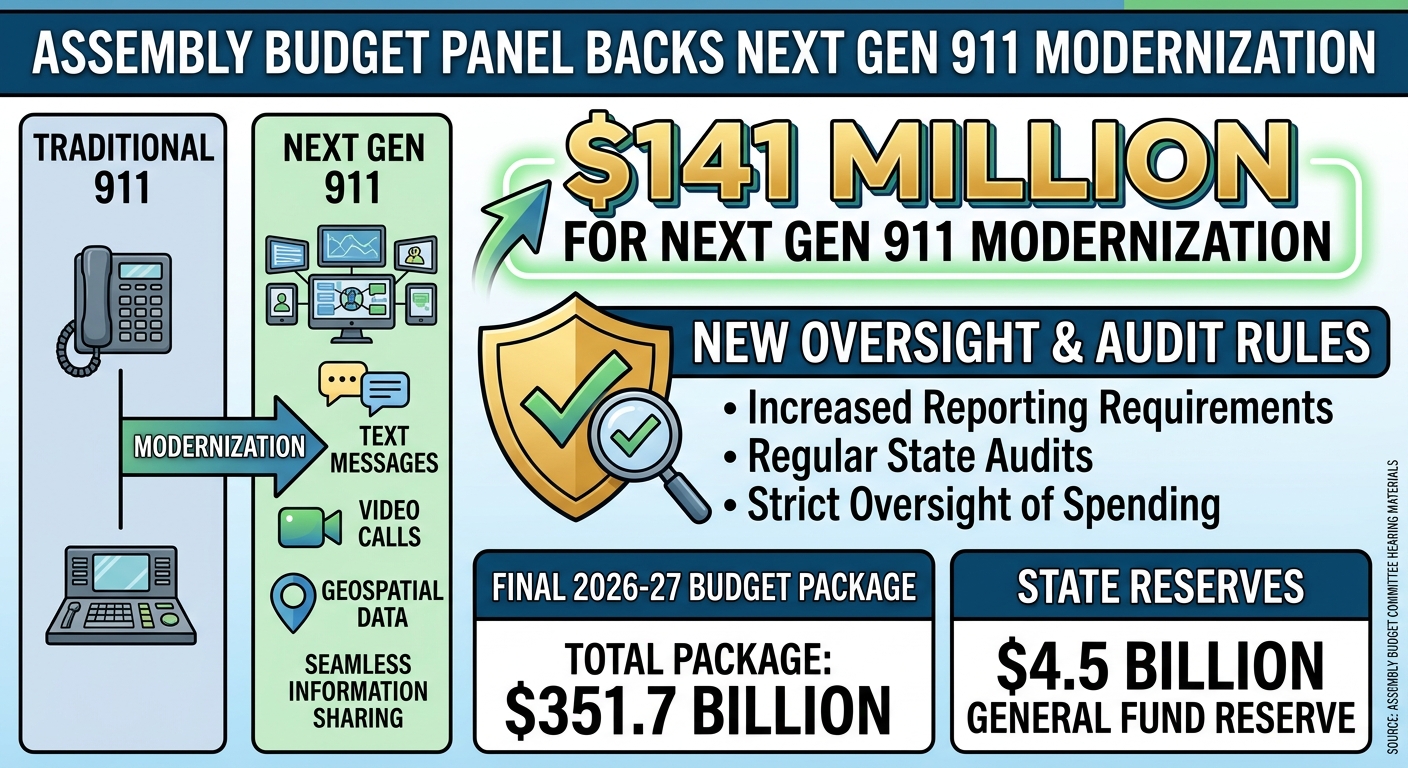
The June 29 budget hearing added a $141 million Next Gen 911 item to the 2026-27 package, along with reporting, audit and oversight requirements.

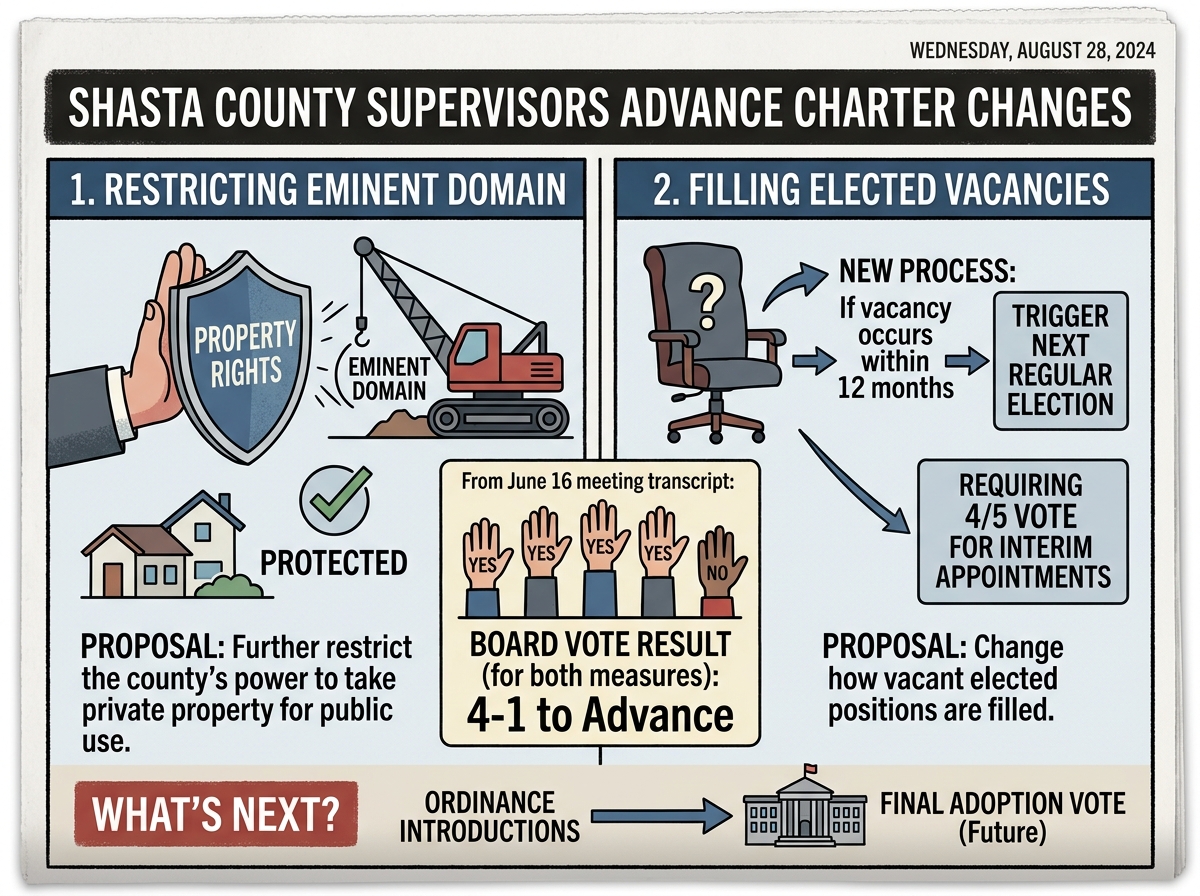
The board sent two charter-related measures to the ordinance pipeline after public hearing and discussion.

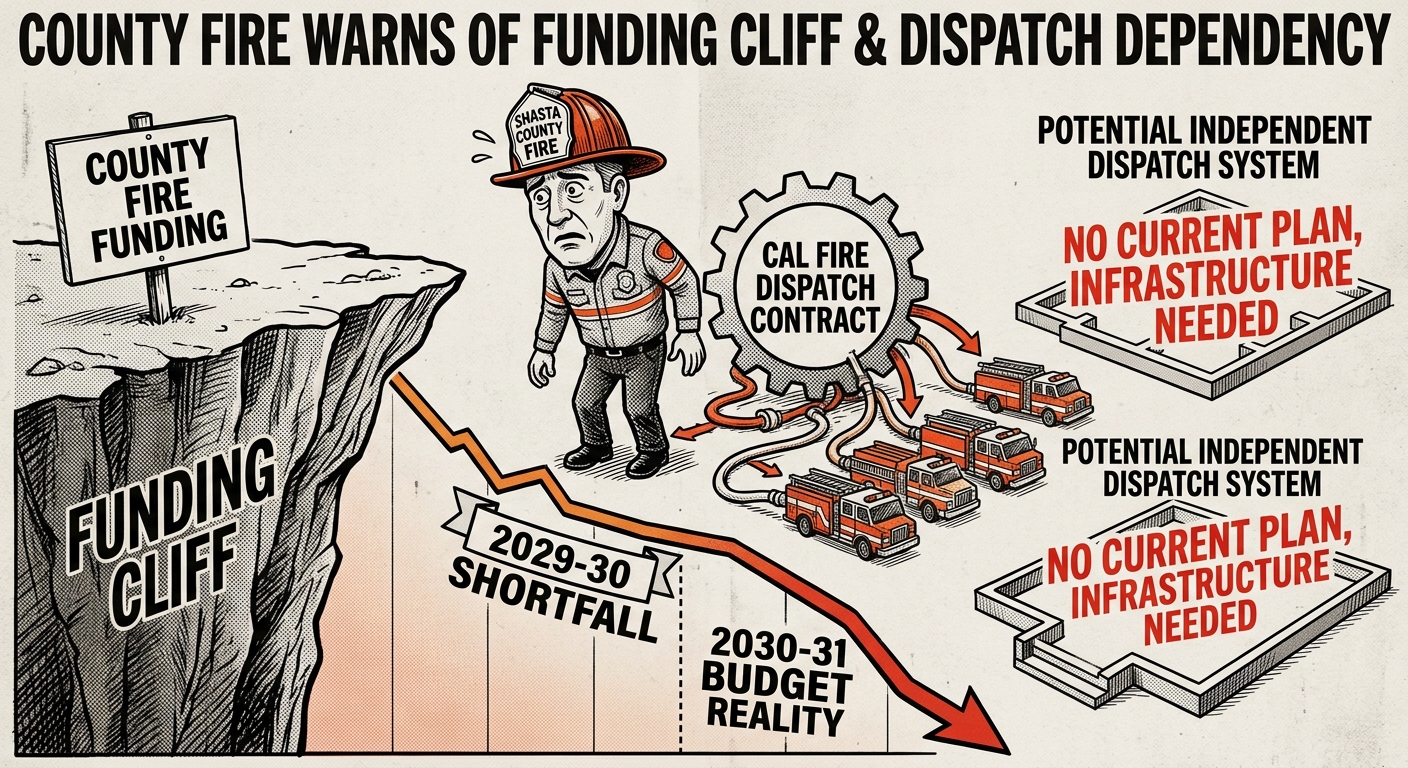
Chief Sean O’Hare told Shasta County supervisors the department’s current fire model is being propped up by contract savings and settlement-funded equipment, but a larger gap looms in 2030-31. He also said county fire dispatch is part of the CAL FIRE cooperative agreement and would need a replacement system if the county ever left the contract.