
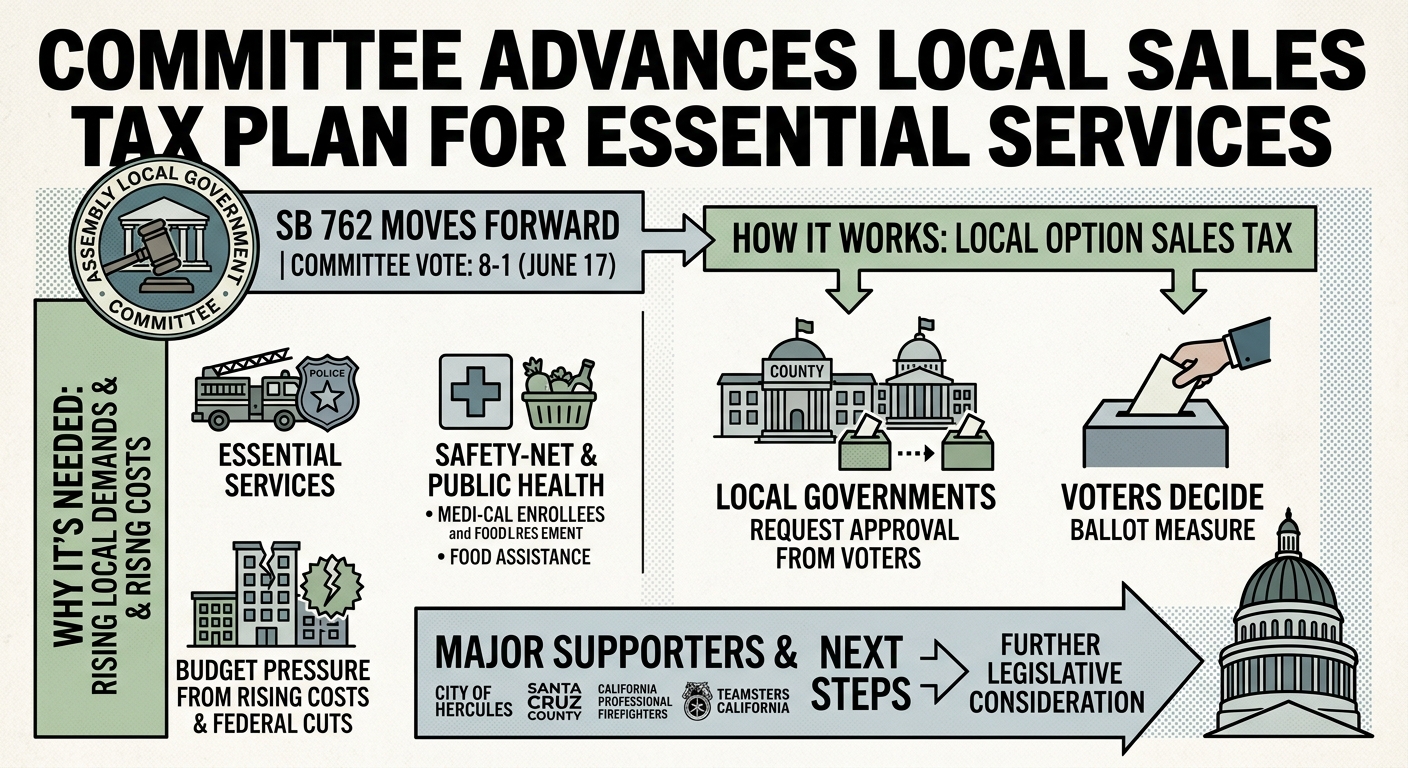
Assembly committee advances SB 762 for local essential-services sales tax
Supporters said the measure would give some cities and counties another option to protect core services as budget pressure grows.
The Sidekick4 months ago
Shasta CountyShasta County
What your local boards and councils decided, from their own agendas and minutes.
Supporters said the measure would give some cities and counties another option to protect core services as budget pressure grows.
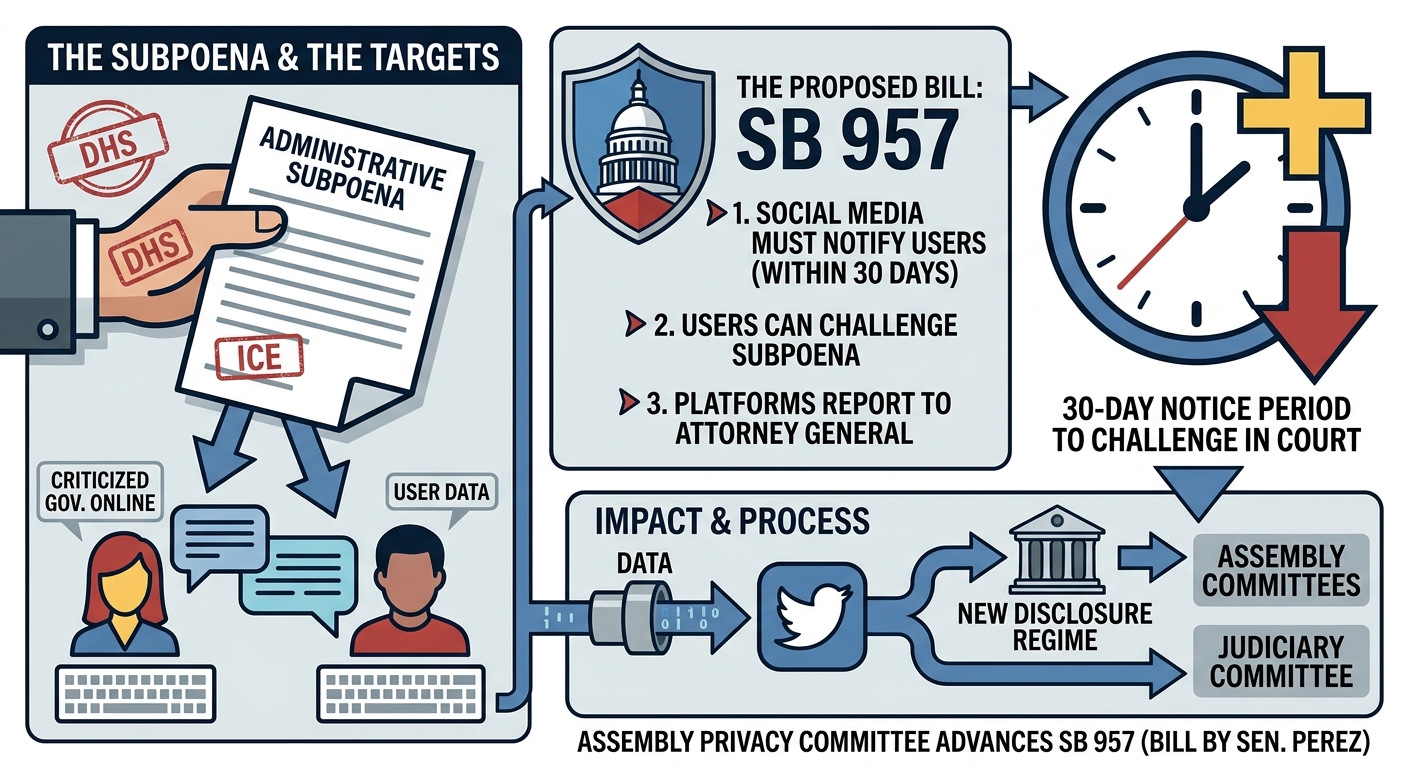
The measure would require platforms to notify users when federal agencies seek their data with administrative subpoenas and give them 30 days to respond or challenge.
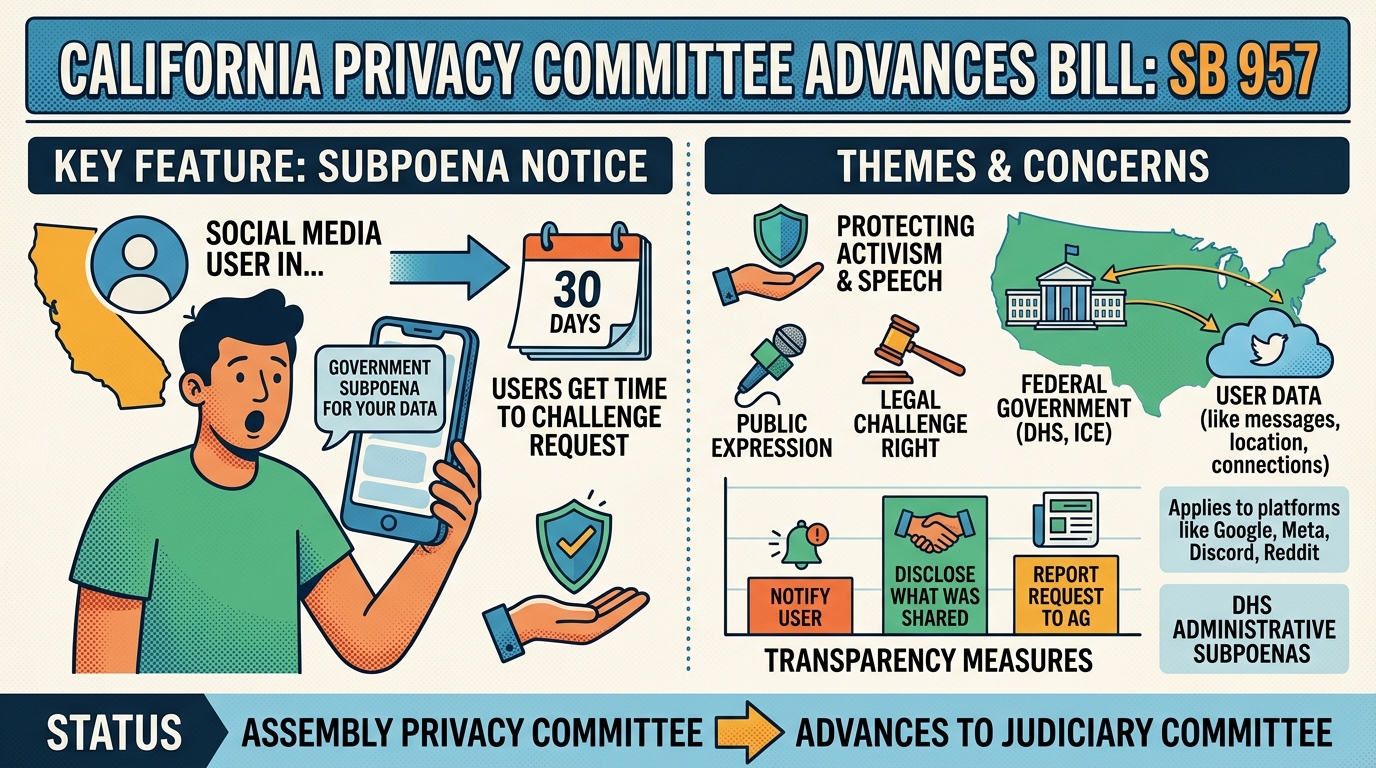
SB 957 would require platforms to notify users when federal agencies seek their personal data through an administrative subpoena and give them 30 days to respond or challenge.

The May 11 action moves incumbent Assistant Inspector General lawyers into statewide attorney classifications and phases out the old department-specific titles.

Lawmakers moved SB 1050, SB 1111 and SB 1146 forward at a June 16 hearing focused on AI-generated ads, digital replicas and deceptive health advertising.

The Water, Parks and Wildlife Committee approved the bill 11-0 as amended and sent it to Appropriations after testimony about housing and development impacts in the high desert.

The board approved changes to the Employment Development Department’s tax compliance classification framework on May 11, including a title change, revised minimum qualifications, updated alternate range criteria and a longer probation period for senior hires starting June 1.

SB 970 moved ahead unanimously after supporters said the federal DoD FACTS shutdown left a gap in ballot-return options for deployed and overseas voters.

SB 1414 moved out of the Assembly Elections Committee after divided testimony over whether an independent commission should redraw San Bernardino County’s political maps.

SB 998 would define duties for California’s discrimination-prevention coordinators and add specialized deputies focused on disability and several racial and ethnic groups.
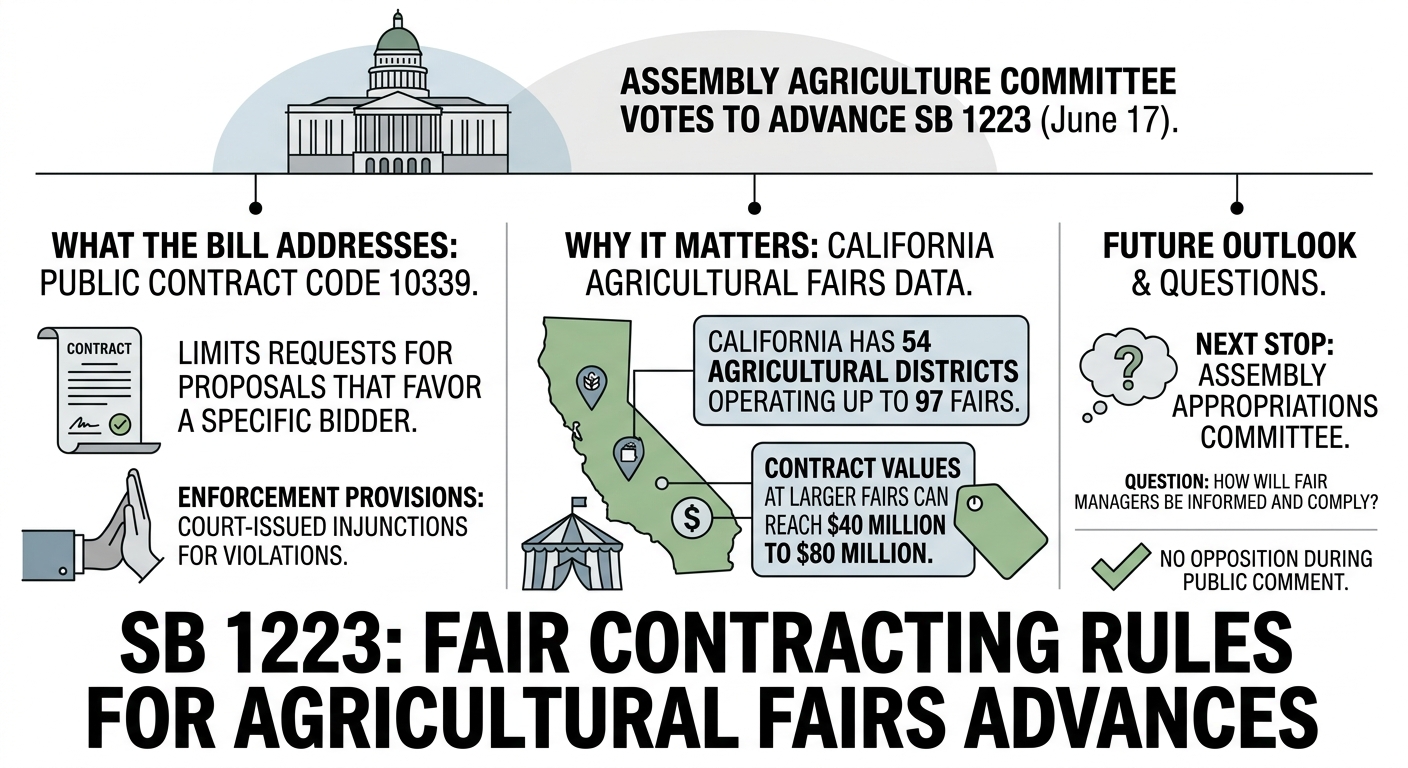
The committee sent the bill to Appropriations after hearing testimony and questions about how fairs and agricultural districts would comply with public bidding requirements.

SB 1119 moved out of the Assembly Judiciary Committee on June 16 after testimony about child safety, platform controls and a mother’s account of her son’s death.

SB 623 cleared the Assembly Military and Veterans Affairs Committee 8-0 and picked up urgency, moving the proposal to finance CalVet home loans closer to the 2026 ballot.

SB 1119 moved forward June 16 after lawmakers heard testimony focused on child safety, product design and liability.

SB 995 would set statewide inspection and compliance standards for large voluntary residential facilities, including detention centers, after lawmakers heard testimony about delayed medical care and other alleged abuses.

SB 1077 would require the California Department of Social Services to plan communications and contingencies for CalFresh disruptions during a federal shutdown.

SB 479 would let city-based local health jurisdictions like Berkeley run multidisciplinary homeless-response teams and share specified information across departments.
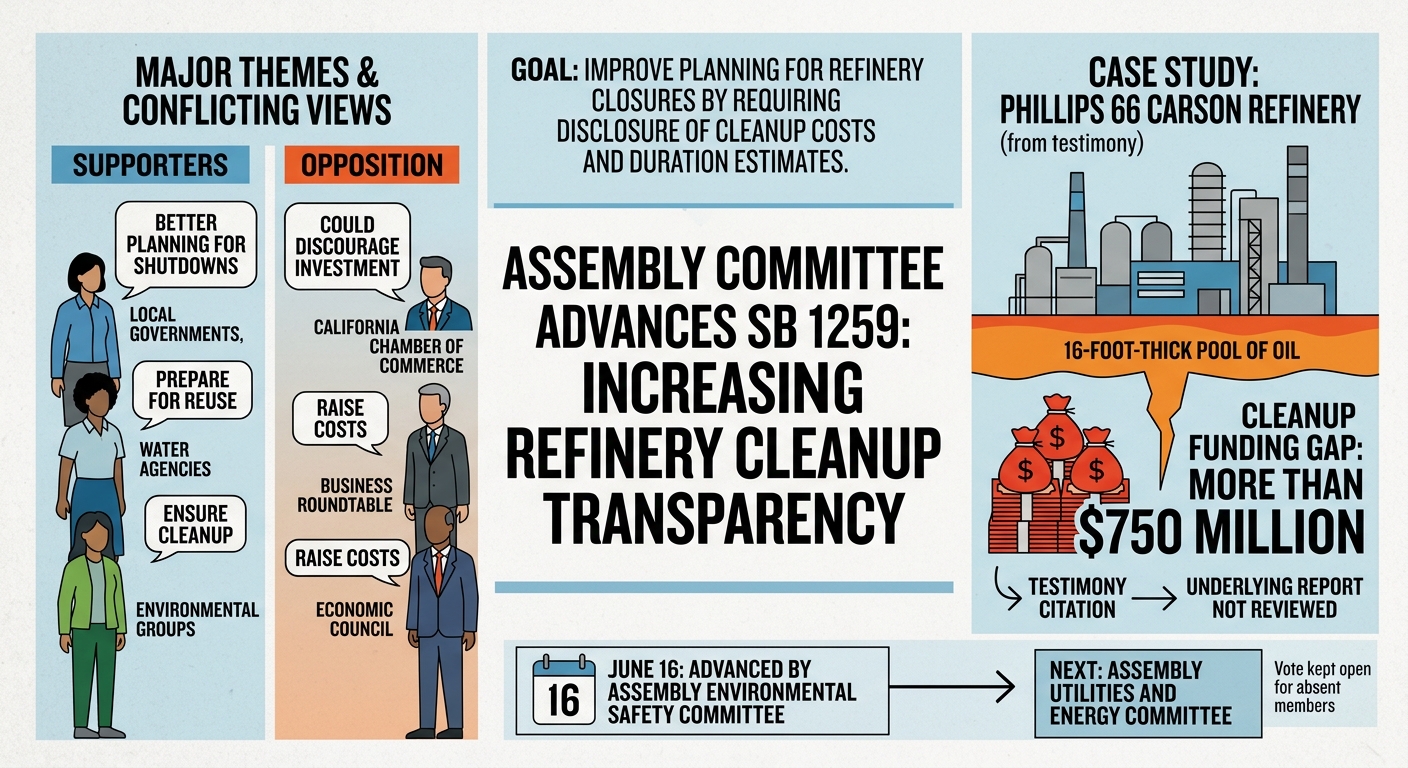
The bill would require more disclosure of refinery cleanup costs and timelines as it heads to the Assembly Utilities and Energy Committee.

Committee leaders said the package balances the next two years, leans on about $5 billion in additional current-year revenue and adds to school funding before floor action.
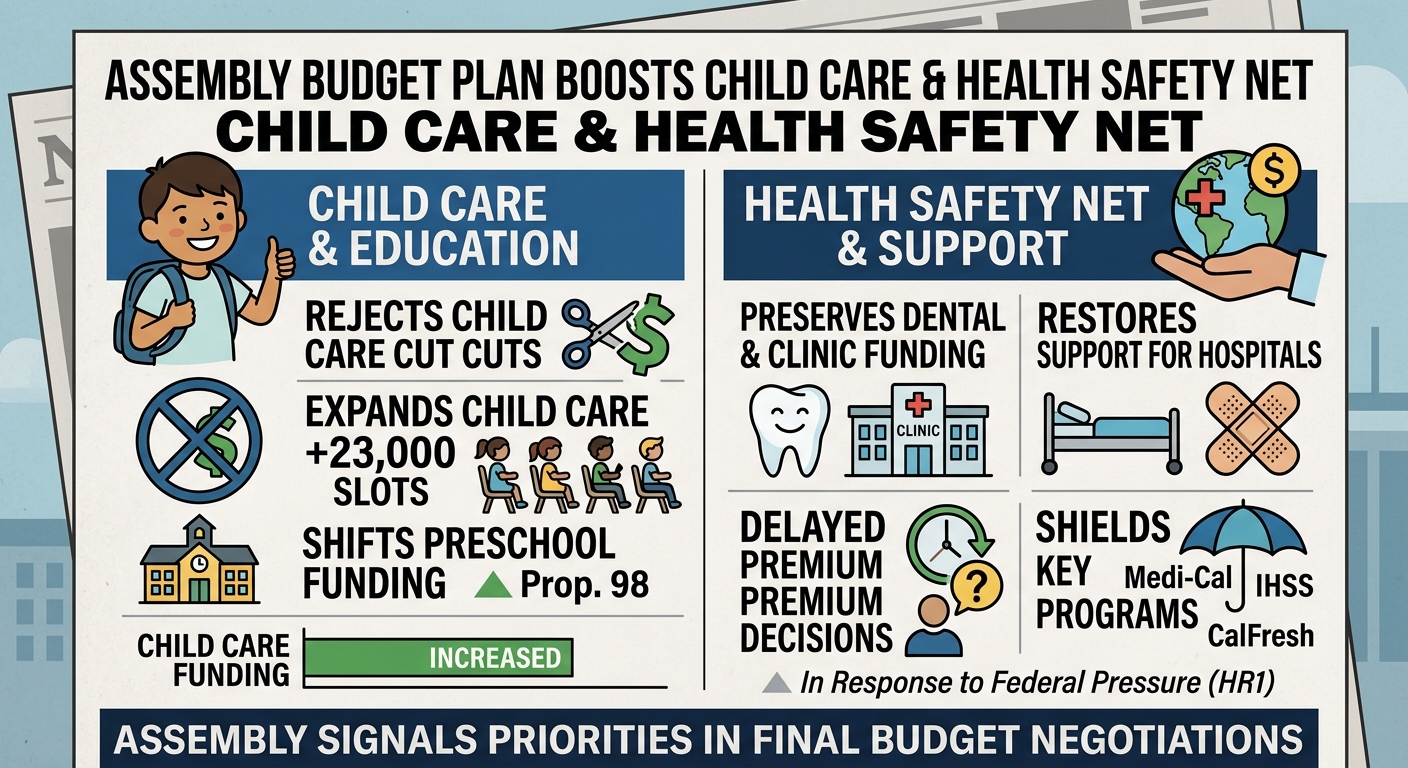
Assembly budget leaders say the 2026 spending plan preserves child care, health care and county safety-net funding while answering pressure from federal cuts.
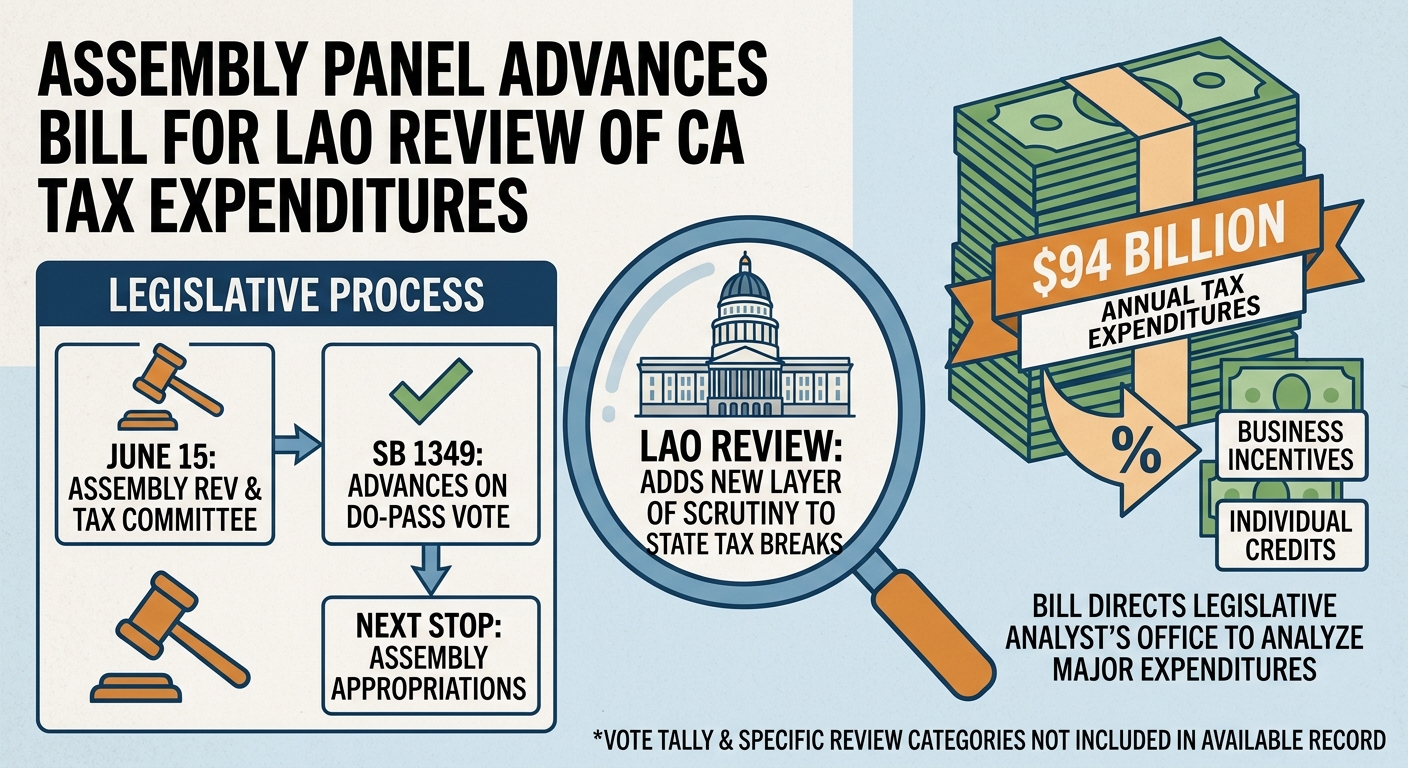
SB 1349 moved out of the Revenue and Taxation Committee on a do-pass-as-amended vote and now heads to Assembly Appropriations.
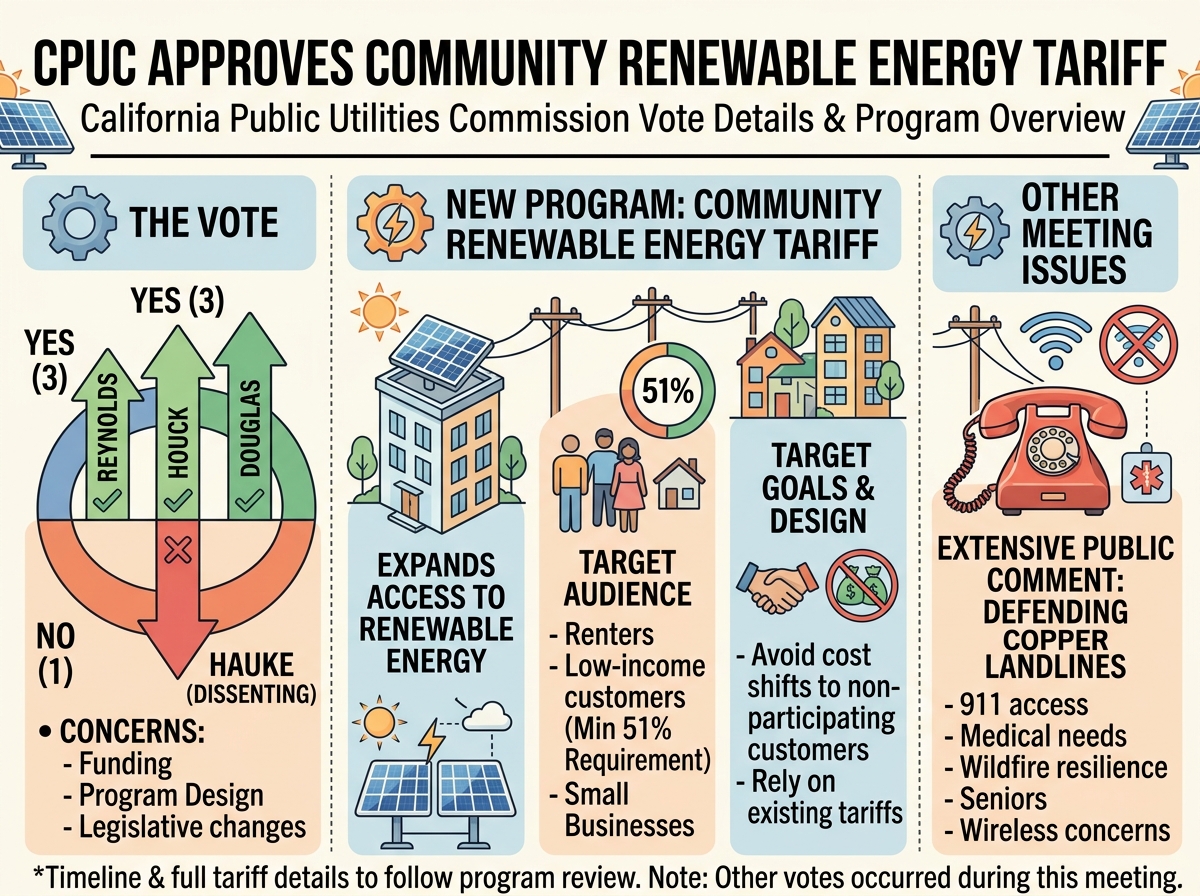
The commission adopted a new community renewable energy tariff on June 11, setting up questions about funding, subscriber rules and ratepayer impacts.
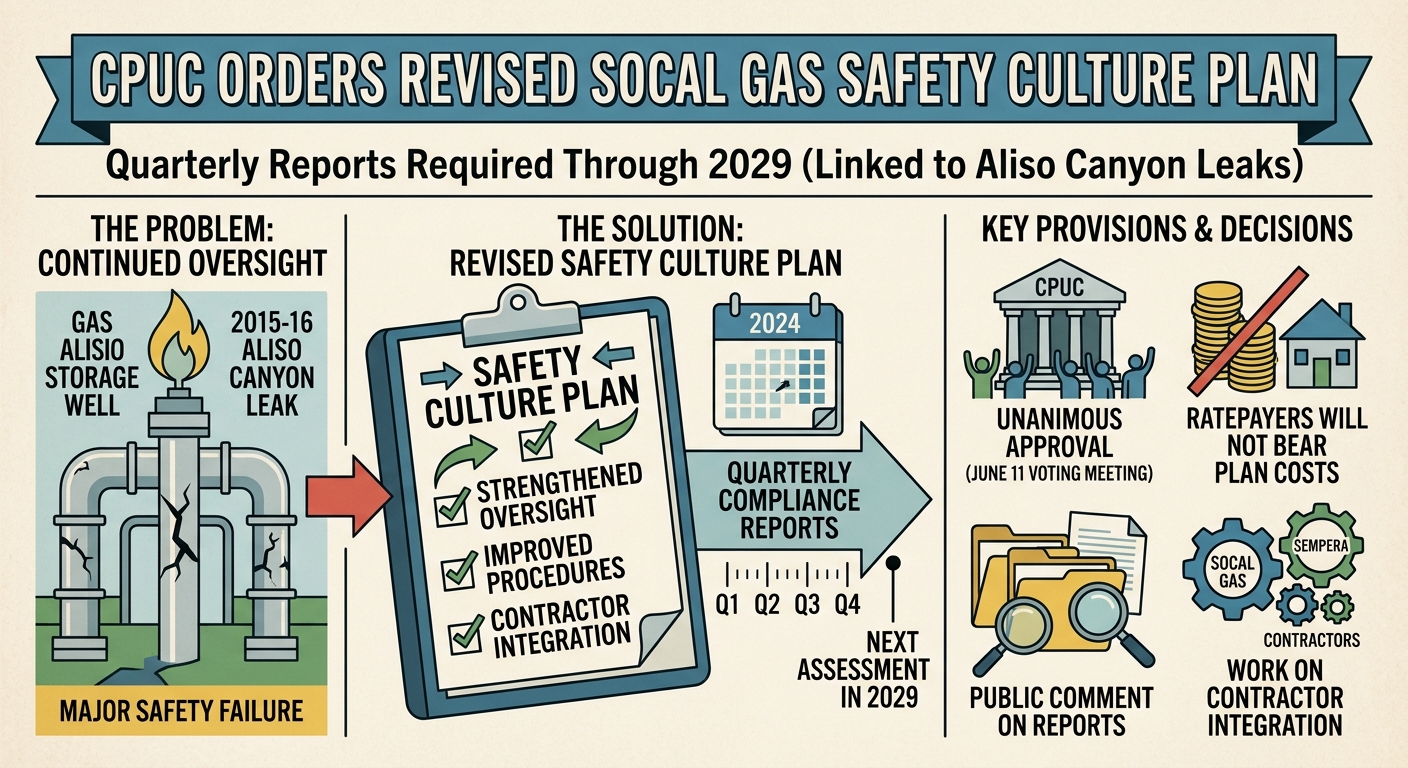
The commission unanimously approved the updated plan tied to the Aliso Canyon aftermath and said ratepayers will not bear its cost.
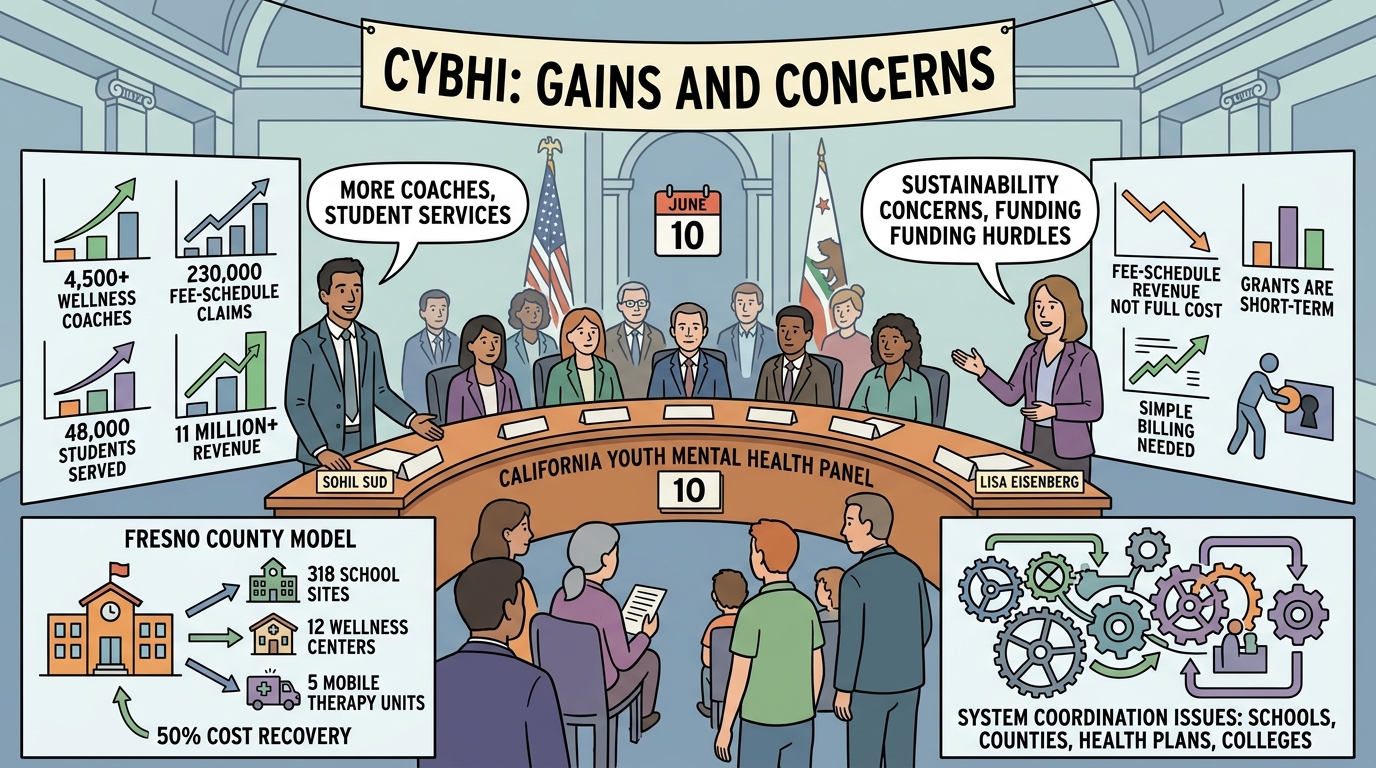
State and local witnesses said the youth mental health initiative is scaling, while warning that billing complexity and ongoing funding gaps could limit its reach.